
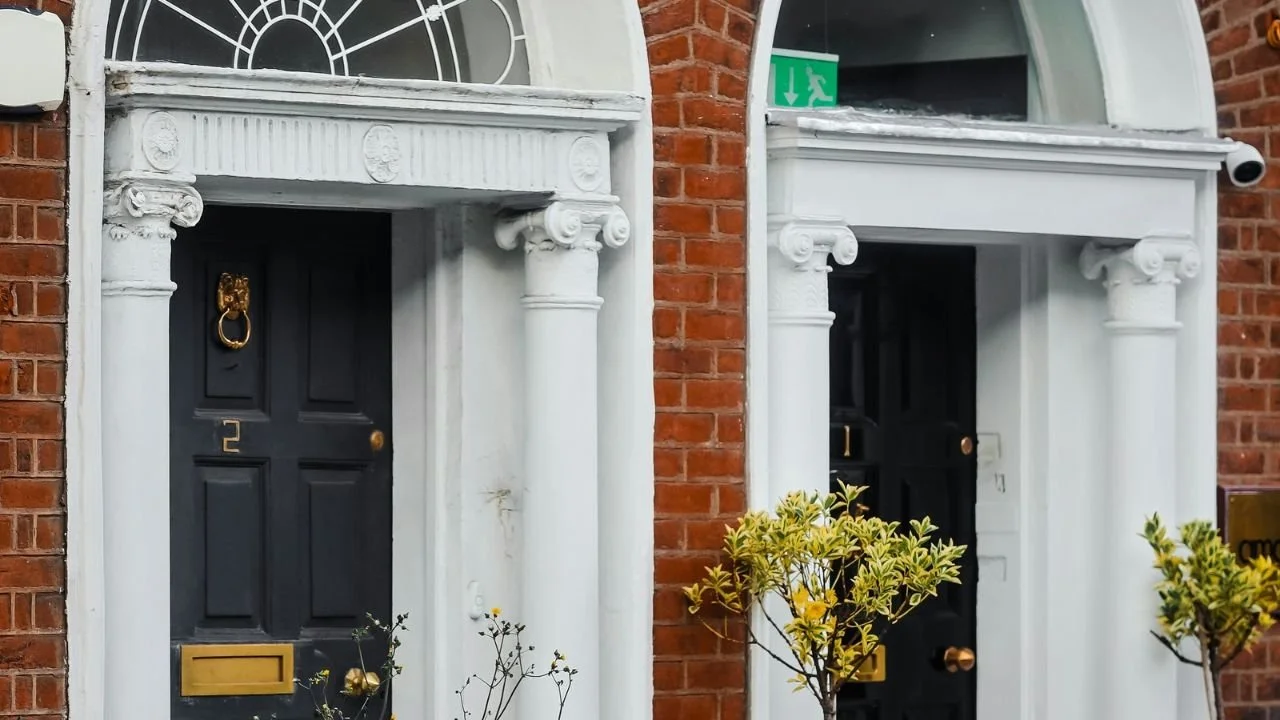
A classic car is not a new car, and a period home is not a new house. Before buying a period home in Dublin, check its age, its true structural condition (particularly damp), whether it carries protected structure status, and what the upgrade works will actually involve, not just what they might cost. Above all, be honest about why you want one and whether you have the appetite to renovate it carefully.
First, Know Which Buyer You Are
There are generally two types of period home buyers in Dublin, with plenty of overlap between them. In either case, both take on the reality of managing an older building.
| The Puritan | The Hybrid Buyer |
|---|---|
| Sees themselves as a custodian of the home | Loves original character but wants contemporary comfort |
| Curates style and age-appropriate materials | Open to modernising kitchens, bathrooms, and layouts |
| Restores original details rather than replacing | Blends period features with modern lifestyle additions |
| Relies on specialist conservation trades and patience | Needs to know where modern materials will damage an old house |
Three Questions to Ask Before You View
Most purchasers are drawn in by high ceilings, ornate cornicing, generous proportions, and architectural individuality. That is understandable, but be clear on your reasoning: charm alone will not carry you through a multi-month renovation.
Period properties were built to the engineering standards of their era, not modern building codes. Expect older wiring, lead plumbing, non-standard drainage, single-glazed timber sashes, and solid masonry walls without cavity insulation. Upgrades are far more intricate than in a modern second-hand home.
Historic houses reward patience and penalise shortcuts. Sealing a breathable lime wall with modern impervious plastic paints or gypsum plaster causes trapped damp. If your goal is an immediate turnaround, an older property may not suit your timeline.
Essential Checks for a Dublin Period Property
Before committing capital or submitting competitive bids, verify these critical aspects:
- Signs of Active Damp: Look closely in external corners, around chimney breasts, along skirting boards, and at ceiling junctions. Rising damp and penetrating moisture from historic parapets or flashings are the most frequent hidden complications.
- Protected Structure Status: Many Victorian, Edwardian, and Georgian properties in Dublin are listed on the local authority Record of Protected Structures (RPS) or sit within Architectural Conservation Areas (ACAs). This designation restricts alterations to original fabric, including windows and internal partitions, and typically requires conservation planning permission.
- The Real Scope of Upgrades: Avoid looking solely at high-level ballparks. Examine what is required room by room to rewire, replumb, restore joinery, and sympathetically insulate without compromising structural breathability.
- Provenance of Previous Work: Confirm who completed historical modifications. Unauthorised structural knock-throughs or poorly executed basement works can leave title complications and structural defects.
- Specialist Professional Support: Appoint a chartered building surveyor with direct, proven experience in historic Dublin homes, alongside a Grade 1 or 2 conservation architect where significant alterations are planned.
Watch-Outs from the Buy Side
Avoid these common pitfalls when assessing older properties:
- Beware the House with "Some" Work Done: This can be the most hazardous scenario. A partially renovated home often looks presentable on the surface while masking incomplete infrastructure, poor plumbing runs, or inappropriate modern materials underneath.
- The "Dinner Party" Renovation: Some vendors spend money exclusively on visual impact: polished timber floors, high-end kitchen islands, and designer lighting. Cosmetic finishes often conceal outdated wiring and damp problems behind the walls.
- The Instinct That Something Is Missing: If a property appears pristine in photographs but feels cold, smells musty, or shows subtle floor deflection during a walk-through, trust that reaction and carry out intrusive inspections.
- Do Not Assume; Verify: The objective of due diligence is certainty. Assumptions on what a local authority will permit or what a roof repair will cost lead to substantial budget overruns.
- Retain Experienced Representation: Generalist building trade advice regularly misses the nuances of traditional masonry and lath-and-plaster construction. Specialist eyes protect your financial position.
- Calibrate Your Renovation Appetite Early: Falling for an impressive facade is easy; living through structural underpinning, lime plaster drying times, and planning delays requires clear resolve. Decide what you are prepared to manage before bidding.
Looking Past the Photography
A client was evaluating a period property in South Dublin that looked immaculate online. The marketing imagery was compelling: high ceilings, elegant fireplaces, and an apparently turnkey aesthetic.
During our on-site inspection, deeper issues were evident. Previous owners had carried out cosmetic repairs over chronic damp in the lower reception areas, and modern tanking had been installed improperly, forcing moisture up into original decorative cornicing.
By quantifying the genuine cost of remedying the defects and clarifying the planning constraints, we protected our client from acquiring what would have become an expensive and protracted remediation project.
Frequently Asked Questions
Examine corners, baseboards, and ceiling perimeters for signs of moisture. Check for floor deflections, verify whether original sash windows open and close cleanly, and look past superficial cosmetic styling to inspect the service infrastructure.
Yes, but works that alter the character of a protected structure require planning permission or Section 5 declaration of exemption from Dublin City Council or Dún Laoghaire-Rathdown County Council. Routine maintenance can often proceed, but substantial changes require formal review.
Not always. Properties with partial renovations can hide substandard repairs or incompatible building products behind new plasterboard. Always request documentation and certificates of compliance for all completed works.
Yes. Standard residential condition reports may fail to diagnose lime mortar issues, historic settlement, or concealed timber rot. A surveyor experienced in heritage architecture provides appropriate risk assessment.
Book Your Initial Briefing Call
Our 15 to 20-minute briefing call provides objective, specialist insight into period home acquisitions, protected structure obligations, and real renovation scopes across Dublin.
Start With A Quick Call