
Life in the West of Ireland: Real Relocation Stories & Insights
Below is a collection of postcards that capture the reality of moving to the west of Ireland in May 2026. Originally featured in International Living, these stories offer an honest look at what it truly means to settle into rural Irish life. From adapting to the dramatic weather and the quiet rhythm of the coast to slowly building trust within the local community, these postcards explore the genuine journey of relocation. They serve as a reminder to look beyond the summer tourist season to find a sense of belonging that lasts all year round.
ONE
The Weather Is Part of the Deal
Nobody moves to the west of Ireland for the sunshine. That much is obvious. What is less obvious is that the weather is actually part of why people stay.
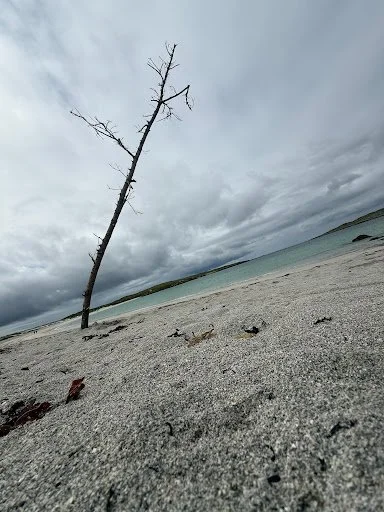
It is theatrical out here. A morning that starts with rain driving in off the Atlantic can turn, by lunchtime, into the kind of light that makes you pull over on the road and just stand there. Those two things go together. The west only looks the way it does because the sky is never settled.
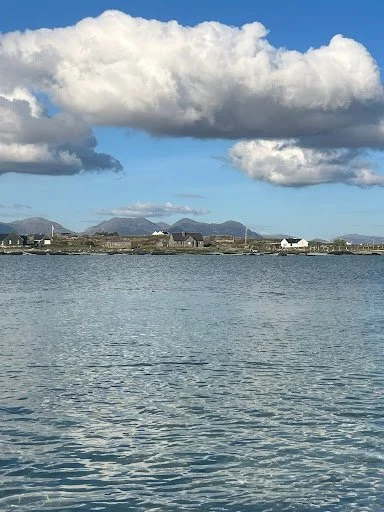
Winter is long and grey and wet. It is also genuinely beautiful in a way that takes a while to admit. The hills go dark. The roads are empty. The sea turns a colour that summer never manages. There is nobody at the headland. You have it to yourself.
Summer feels earned because of all that. A warm evening in late June, the sun still up at half nine, sitting outside somewhere with no good reason to go home - it carries a sweetness that people in sunnier climates do not quite get to feel. You notice it because you waited for it.
The people who are happiest out here made their peace with the rain early on. Not resigned to it. Actually at peace with it. Good coat, a sense of what roads flood, and the understanding that a wet Tuesday in November is a reason to light the stove rather than a reason to be somewhere else.
The weather asks something of you. Most things worth having, do.
TWO
August and February Are Different Countries
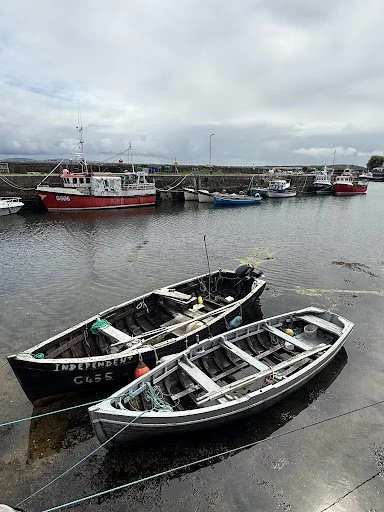
In summer, the west hums. The towns fill. The pubs run on something close to festival energy. The roads slow down. Every headland has a car with a foreign plate parked at it. The music sessions go longer than anyone planned and nobody minds.
It is great. It is also not what the place actually is.
February is the west with the lid off. The tourists are gone. The second-home owners are elsewhere. What is left is the people who live here year-round. The butcher knows your name. The post office is a conversation rather than a transaction. The pub on a Tuesday night has eight people in it, every one of them a regular, and two of them recognise your car by now.
That is not loneliness. That is the beginning of belonging, if you let it be.
Before you buy anywhere out here, it is worth asking yourself which version of the place you are actually buying into. August takes care of itself. It is February that answers the real question.
The people who make a genuine life on the west coast are not the ones who loved it in summer. They are the ones who found something in February they were not quite expecting, and realised it was still there in March, and April, and that they had stopped counting the months somewhere along the way.
THREE
You Cannot Rush Being Known Here
The west of Ireland does not hand out community membership on arrival.
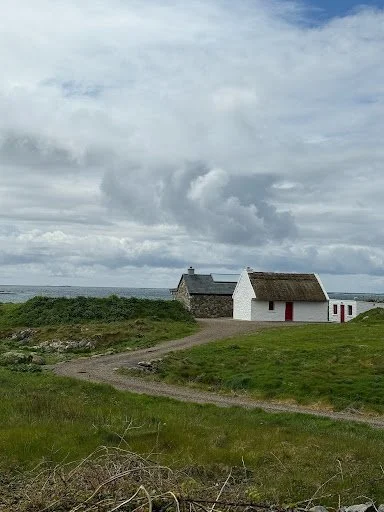
That is not unwelcome. It is just how it works in places where people have lived beside each other for a long time. Trust builds slowly here and holds firmly. You will be a blow-in for longer than feels comfortable. Then, without any announcement, you will not be.
What changes it is not complicated. You show up. You are present. You go to the things - the matches, the funerals, the fundraisers. You do not go on about how much you love Ireland to people who have never lived anywhere else.
The rewards are real. A neighbour who notices when your car has not moved. A farmer who calls to say your back gate is open. A conversation in the hardware shop that covers three generations of local history and takes longer than you had planned. An invitation to something that is not advertised anywhere.
None of this is available to someone who comes for the summer and leaves in September. It is entirely available to someone who stays.
Rural Ireland does not perform warmth. It offers something slower and more durable. Most people who have found it will tell you the same thing - they did not fully understand what they had until they stopped looking for it.
FOUR
What the Quiet Actually Is
There is a silence in the west of Ireland at night that people who have lived in cities do not know what to do with at first.
It is not the absence of noise. It is the presence of something else. Wind, usually. Rain on the roof sometimes. The occasional sound of water somewhere close. Beyond that, nothing made by anyone.
It takes about a week to stop waiting for the traffic. After that, most people stop wanting it back.
The days here have a shape that city life does not. You walk - not as exercise, but because there is somewhere worth going, and the getting there is the point. The coastline changes with the tide and the weather and the season. The hills look different every morning. The light does things that make no sense and that you never fully stop noticing.
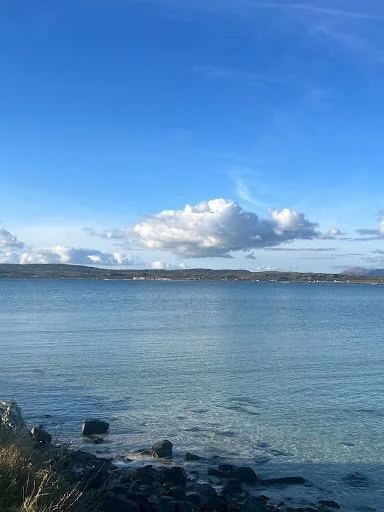
There are things to do that need no booking, no queue, no fee. Kayaking. Cycling roads with almost nothing on them. Swimming in water colder and cleaner than expected. Sitting somewhere high up with a flask watching the weather come in from the ocean.
None of it is dramatic. That is exactly what makes it good.
There is a wholesomeness to life on the west coast that is hard to put words on without sounding soft about it, so most people who have found it do not bother trying. They just stop explaining why they live there and start looking quietly sorry for people who do not.
That is not smugness. It is just what contentment looks like from the outside.
