
How Long Does It Take to Buy a House in Ireland?
Buying a home in Ireland typically takes anywhere from several months up to six to eight months from start to finish. The process often takes longer than international buyers expect because the local transaction cycle follows a unique structure, legal conveyancing requires meticulous checks, and regional property supply varies significantly across different counties.
Understanding the Irish Property Acquisition Process
Securing a residential property in Ireland follows three distinct stages. Understanding what happens at each milestone helps buyers maintain momentum and avoid unnecessary delays.
Evaluate local stock levels across metropolitan versus rural areas. Filter active property listings from those already under offer.
Submit strategic offers through listing agents. Navigate open bidding transparently to secure "Sale Agreed" status.
Structural Survey & Valuation: 1 to 2 weeks.
Title Queries & Legal Contracts: 6 to 12+ weeks.
1. Location and Search Dynamics
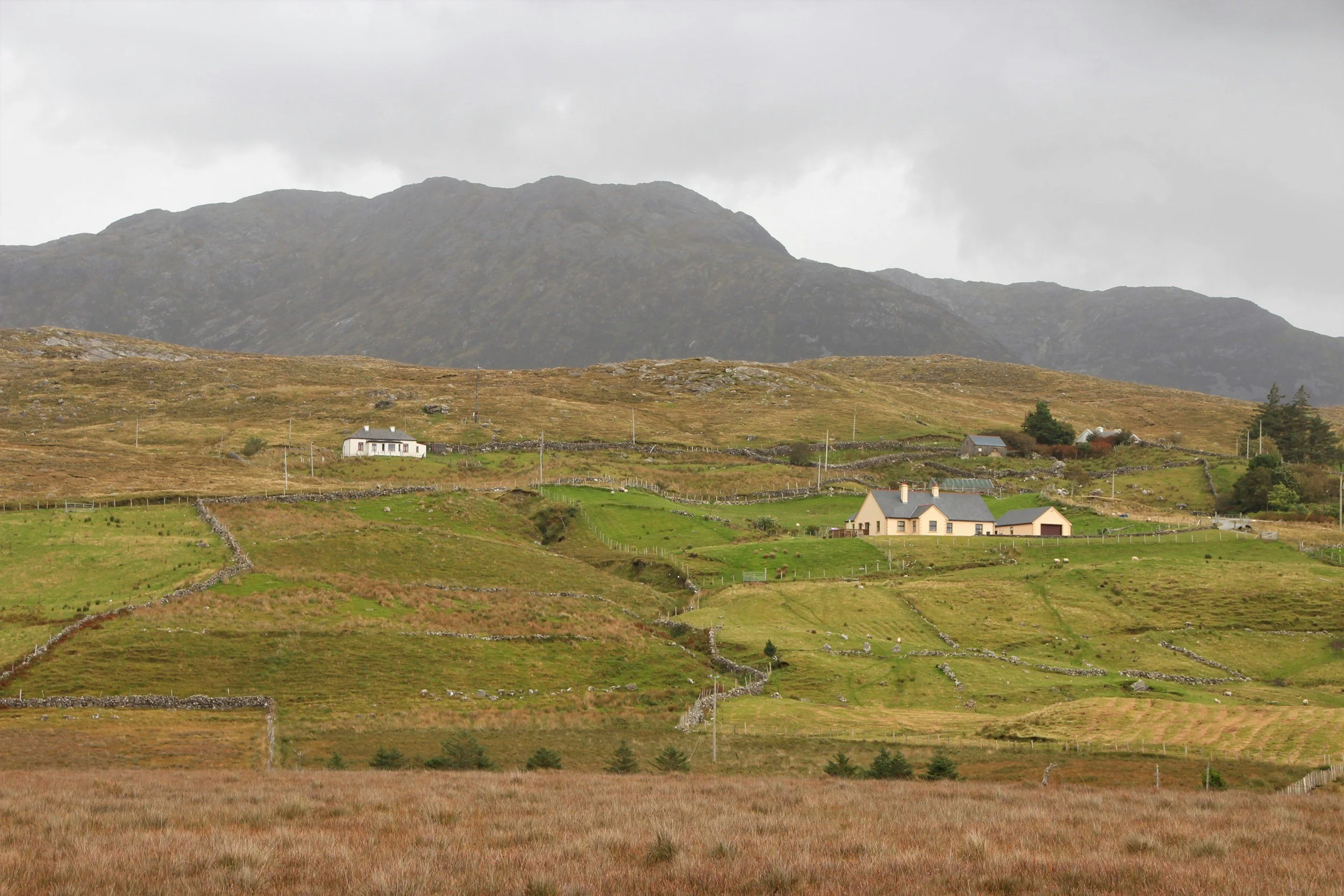
Your choice of target location directly influences how quickly you can find a suitable home. Metropolitan areas such as Dublin, Cork, or Galway naturally have higher turnover and more active listings due to the sheer size of the market. Conversely, rural or coastal locations often have limited available housing stock, meaning buyers must wait longer for a suitable property to hit the market.
"Some metropolitan areas have more stock by virtue of their size or location, but the same cannot be said for rural locations. That difference in supply plays a massive role in your overall timeline."
— Andrew Rhatigan, Founder
2. Sourcing and Bidding Realities
Searching through online property portals like Daft.ie or MyHome.ie rarely reveals the full picture. Many properties listed online are already under active bidding or marked "Sale Agreed," leaving buyers who search from abroad at a distinct disadvantage.
"Not all listings online are still available, and many may have already entered an advanced bidding process. If you are not on the ground, you are at a disadvantage when trying to understand the nuances of a sale, as every property has its own hidden story."
— Andrew Rhatigan, Founder
3. Surveys and Legal Conveyancing
Once an offer is accepted and reaches "Sale Agreed" status, the formal transactional phase begins. Booking a qualified surveyor typically takes one to two weeks depending on local professional availability. Following the survey, solicitors handle contract exchanges, title searches, and property queries. Communication speed between both legal teams determines how fast this phase progresses.
"Legal conveyancing can take anywhere from 6 to 12 weeks, or even longer. The biggest unknown is communication and preparation. If either side is slow with paperwork, it halts the entire timeline. A large part of my role during this stage is managing these exact bottlenecks through experience with the issues and the people involved."
— Andrew Rhatigan, Founder
5 Essential Insider Watch-Outs Before You Buy
To ensure a smooth acquisition and avoid costly pitfalls, keep these five operational realities in mind:
- Never Search Without a Structured Strategy: Browsing online portals without clear criteria or area priority leads to wasted time. Evaluate how long it takes to find a home in one location versus another before commencing your search.
- Uncover the Seller's Chain Status: Always determine whether the vendor needs to sell their current home to purchase their next one. If a property is part of a longer chain, you lose direct control over your completion timeline.
- Select the Right Solicitor Early: Legal conveyancing quality varies across the market. Partnering with a proactive solicitor who communicates effectively can be the difference between closing smoothly or having a transaction fall through.
- Avoid Fixed Move-In Dates: Never book removal companies or arrange rigid travel plans based on estimated closing dates. Property conveyancing timelines fluctuate, and placing yourself under strict time pressure adds unnecessary stress.
- Understand Local Bidding Expectations: Bidding from abroad without representation often leads to seller agents favouring local, verified buyers who are perceived as lower risk to complete the deal.
From Online Frustration to Key Handover
A couple relocating to Ireland approached Rhatigan Real Estate after months of attempting to buy a home independently.
Before working with a buyer's agent, they assumed every property listed on public portals was readily available at the asking price and that online descriptions contained all the necessary details. Accustomed to overseas property practices, they also believed that minor structural survey findings could be used as a bargaining tool to renegotiate prices down after bidding, which is rarely effective in the Irish market.
After repeatedly placing bids on homes only to see prices rise beyond their budget, they found themselves repeatedly outmanoeuvred. Local listing agents were hesitant to accept bids from unverified, out-of-town buyers over concern they might not perform when contracts were issued.
The Rhatigan Real Estate Solution:
- Process Clarity: We educated the client on how the Irish bidding and conveyancing system operates in practice.
- Realistic Timelines: We established a clear, manageable timetable and established strict bidding limits to protect their capital.
- Local Representation: By acting as their verified local representative on the ground, we reassured listing agents that the buyers were qualified, serious, and ready to move forward.
By removing the guesswork and maintaining discipline at every step, the clients successfully secured an ideal home in South Dublin without overpaying or experiencing conveyancing delays.
Book Your Initial Briefing Call
Our 15 to 20 minute briefing call is designed to provide immediate clarity on your property goals and timeline in Ireland.
Start With A Quick Call