
How Zuckerberg Bought an Irish Castle Off-Market

Zuckerberg’s Irish Castle Was Never For Sale. Here’s How Off-Market Property Actually Works in Ireland.
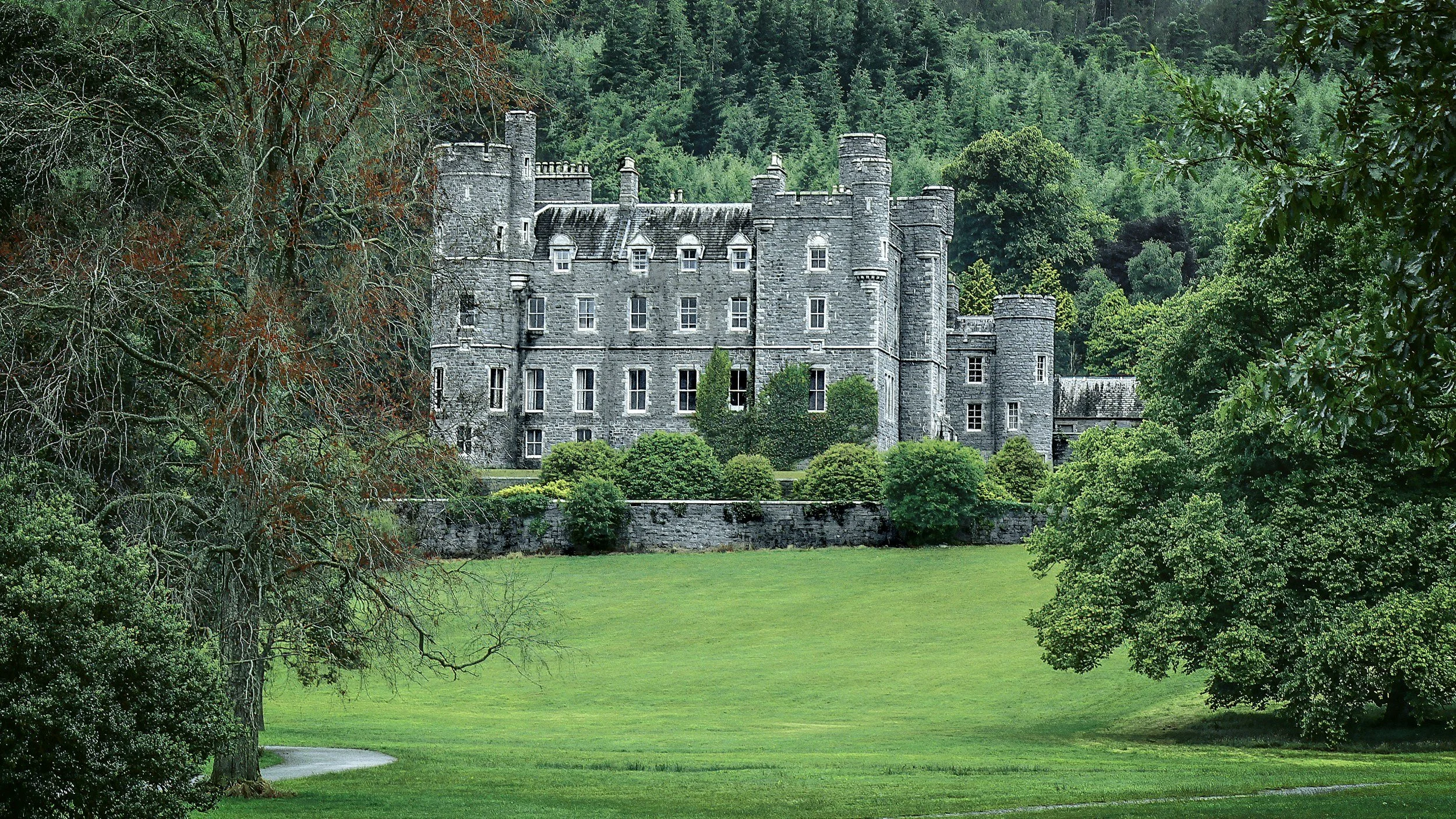
Mark Zuckerberg and Priscilla Chan now own Strancally Castle, a roughly 16,000 sq ft Gothic revival house on about 440 acres along the River Blackwater in Co. Waterford. The deal was done entirely off-market. It was never listed, never appeared on Daft.ie or MyHome.ie, and hadn’t even reached the Property Price Register when the purchase was confirmed.
That last part is the real story. Most of Ireland’s most valuable homes change hands this way. If you’re planning to buy property here as an international or high-net-worth buyer, understanding why matters a lot more than the headline does.
Buyers
Mark Zuckerberg and Priscilla Chan
Property
Strancally Castle, Co. Waterford, on the River Blackwater
Size
Roughly 16,000 sq ft house on approximately 440 acres
Estimated price€20m–€30m, as first reported by The Irish Times. The purchase price has not been publicly confirmed and had not appeared on the Property Price Register at time of writing
Sale type
Private, off-market transaction
Sellers
Michael and Giancarla Alen-Buckley, who owned and restored the estate for around 25 years
What Actually Happened
Strancally was built around 1830 for John Keily, then MP for Clonmel, by the architects James and George Richard Pain. Michael and Giancarla Alen-Buckley bought it roughly 25 years ago and carried out a full restoration before selling. Michael Alen-Buckley co-founded the London investment firm RAB Capital.
A spokesperson for Zuckerberg confirmed the sale, saying the family were “excited to continue caring for this historic home” (RTÉ, 20 August 2026). Meta’s international headquarters is in Dublin. According to RTÉ, the family will continue living in the US, using Strancally when Zuckerberg is in Ireland for Meta business, rather than moving there full time.
Zuckerberg Isn’t the First, and He Won’t Be the Last
Three of the world’s wealthiest founders now own major Irish estates, all bought within the last five years, two of them on the same river:
• 2021: Stripe co-founder John Collison bought the Abbey Leix estate in Co. Laois, about 1,120 acres, for roughly €20m.
2024: Sir James Dyson bought Ballynatray House, an 850-acre estate on the Waterford-Cork border, later recorded on the Property Price Register at €29.25m, though early reports put the figure as high as €35m.
• 2026: Mark Zuckerberg and Priscilla Chan bought Strancally Castle, further up the same Blackwater valley, for an estimated €20m–€30m.
None of these three deals were publicly marketed. All three went to buyers who already had people on the ground finding them before anyone else knew they were available.
Why You Won’t Find Deals Like This on a Property Portal
If you’ve spent time searching Daft.ie or MyHome.ie for a country estate, or even a more modest period house, you’ve probably noticed the good ones are thin on the ground. That’s not because Ireland doesn’t have them. It’s because owners of the best properties usually don’t want a public sale.
A public listing invites price speculation, casual viewers, and local talk about who’s selling and why. Sellers at this level want the opposite: a quiet, controlled process, ideally with one buyer, no open days, no listing photos circulating online. So the sale happens through relationships instead: local advisors, land agents, solicitors, and people like me who spend our time finding out what’s coming before it’s public.
This is sometimes called the “shadow inventory.” At the top end of the Irish market, it’s arguably bigger than what’s actually listed.
The Part Most Buyers Don’t Realise
Here’s the structural issue that catches a lot of international buyers out. In Ireland, an estate agent instructed by a seller acts for that seller. Their job is to get the seller the best possible price and terms. That’s not a knock on agents. It’s simply how the relationship is set up, and it means the person showing you around a house is not working for you.
There’s a second thing that surprises a lot of buyers, especially Americans used to a more formal contract process: a property marked “Sale Agreed” in Ireland is not legally binding. Either side can walk away right up until contracts are signed and exchanged. Deals fall apart during this window regularly, over survey results, title issues, or a better offer arriving late.
Put those two things together: inventory that never touches a portal, and a “Sale Agreed” that isn’t really agreed. It’s easy to see why buying property in Ireland from abroad, without someone representing only you, is harder than it looks.
The Ryder Cup Is Adding Pressure
The Ryder Cup returns to Ireland in September 2027, for the first time since 2006, at Adare Manor in Co. Limerick. Every time Ireland gets this kind of global attention, interest in Irish property from overseas buyers rises with it. Buyers who’ve spent years thinking about a country home, a coastal retreat, or a Georgian house near Dublin tend to move from thinking to acting.
Turnkey, historic Irish property was already scarce before this. It’s getting scarcer.
What This Actually Means If You’re Buying
You don’t need to be a billionaire for any of this to apply to you. Whether you’re looking at a country estate or a family home in south Dublin, the same three things are true:
• The best properties are often not listed anywhere you can search.
• The agent showing you the house works for the seller, not you.
• “Sale Agreed” is a starting point, not a finish line.
A buyer’s agent exists to sit on your side of all three of those problems: finding property before it’s public, negotiating without a conflict of interest, and managing the deal through to completion.
Frequently Asked Questions
Why don’t Ireland’s best properties appear on Daft.ie or MyHome.ie?
Owners of high-value or historic Irish properties often prefer a private sale to avoid public price speculation and open-house traffic. Many of the country’s most valuable homes sell entirely off-market, through direct relationships rather than public listings.
Does Ireland have buyer’s agents the way the US does?
Not in the same widespread way. Most Irish estate agents work for sellers. Dedicated, buyer-only representation, where the agent is engaged and paid by the buyer and has no relationship with the seller, is far less common, though it exists.
Is a “Sale Agreed” property in Ireland legally binding?
No. In Ireland, a sale isn’t legally binding until contracts are signed and exchanged between both parties’ solicitors. A property marked “Sale Agreed” can still fall through.
What does a buyer’s agent actually do?
A buyer’s agent represents the buyer only. They source property, including off-market opportunities, advise on price and structure, negotiate on the buyer’s behalf, and manage the purchase through survey, legal, and closing stages.
How can I access off-market property in Ireland?
Off-market property is generally found through relationships, not searches: local advisors, solicitors, land agents, and buyer’s agents who stay in contact with owners and their representatives ahead of any public sale.
