
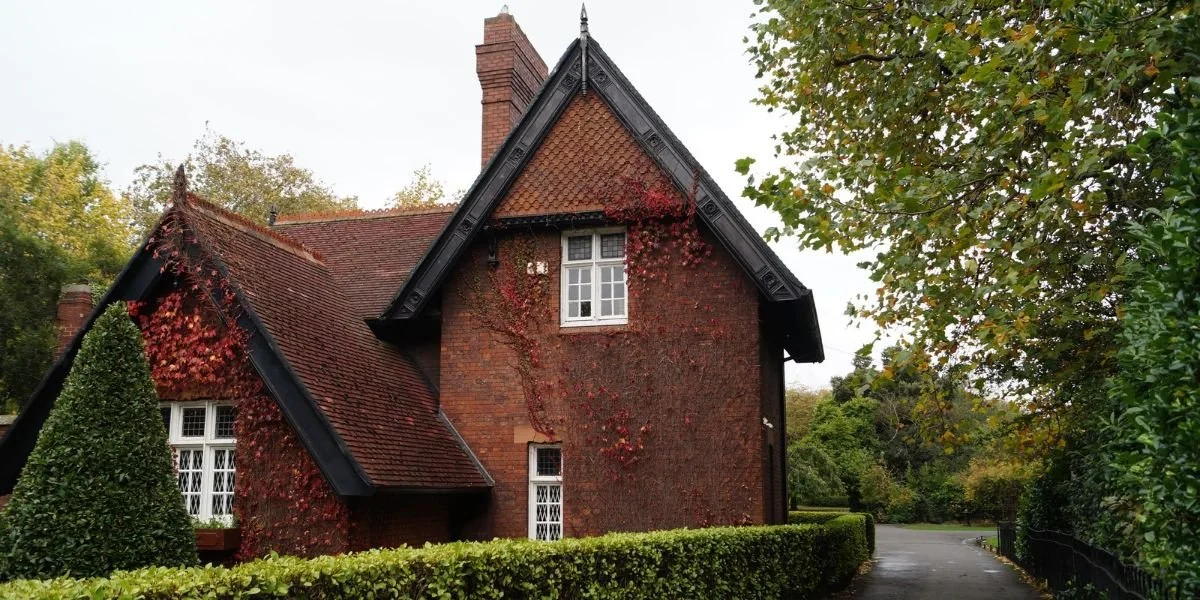
The true cost of acquiring a high-value property in Ireland extends far beyond the purchase price and stamp duty. It is what you pay for not knowing the market. Mistaking a teaser asking price for the final clearing price, ignoring local sales history, or buying a cosmetically enhanced house instead of a structurally sound one can cost buyers dearly. When you eliminate this "ignorance tax," you protect your capital.
The Visible Costs vs. The Hidden Costs
When evaluating a €1m+ purchase, the financial exposure is rarely limited to the spreadsheet numbers.
| The Visible Costs | The Hidden Costs |
|---|---|
| Purchase price | Ignorance tax: Overpaying because you do not know the micro-location. |
| Stamp duty | Wishful thinking: Hoping the bidding stops near the asking price. |
| Legal and conveyancing fees | Remedial capital: Undoing poor previous renovations or addressing hidden defects. |
| Structural surveys | Chain delays: Financial and logistical costs when a seller cannot find their next home. |
The Stamp Duty Step at €1m+
Stamp duty on residential property in Ireland is charged in bands: 1% on the first €1 million, 2% on the next €500,000, and 6% on anything above €1.5 million. That sharp jump above the €1.5m threshold matters significantly at this level of the market.
| Purchase Price | Stamp Duty Liability |
|---|---|
| €1,000,000 | €10,000 |
| €1,500,000 | €20,000 |
| €1,800,000 | €38,000 |
| €2,000,000 | €50,000 |
Rates correct at time of writing. Always confirm exact liabilities with your solicitor.
Five Realities to Understand Before You Bid
At this level of the market, you are not competing with first-time buyers. You are up against experienced purchasers, many of whom are trading up from smaller homes. That competition is well-funded and very real.
Whether buyers like it or not, the Irish market often utilizes lower asking prices to draw a crowd. The market then builds the price to its natural end. You must know whether a price is a genuine reflection of value or a teaser to initiate a bidding war.
Within any affluent postcode, some streets are simply better regarded than others. Knowing that highly localized pecking order is part of knowing what a property is genuinely worth.
Previous local sales tell you what the market has actually paid in the past, rather than what an agent hopes it will pay today. That history is your best reality check.
Is the vendor asking a price they will accept, or a price they simply want to test the market with? Those scenarios require very different negotiation tactics.
Watch-Outs from the Buy Side
Avoid these common pitfalls when assessing premium properties:
- Bidding increments jump quickly: Unlike lower price points, increments at this level can be much higher than you might be comfortable with. Know how far you are willing to go before the bidding even begins.
- The €1m to €1.8m bracket is heavily contested: This range is busy with discerning buyers who are time-poor. They know what they want and they move aggressively.
- Do not gloss over structural work for a short-term win: Winning a bidding war feels like a victory until you discover the house needs extensive work to repair previous jobs. Be deeply honest about the level of renovation you are willing to accept.
- Set clear cut-offs: Decide your absolute limit before you enter the room, and hold to it.
- Factor in the onward chain: If the owner has to find their next property before closing, you could be waiting for months or sitting in a fragile chain of unknowns.
- Budget for the 6% threshold: Every euro above €1.5m is taxed at 6%. It belongs in your primary budget, not in your afterthoughts.
Precision Over Busyness
We had a client who, prior to retaining us, had not asked the questions outlined above. They were close to committing to a property without understanding the seller's true situation, which would have trapped them in a long chain of unknown quantities.
We changed the approach. Rather than throwing them into every busy bidding war, we adopted a highly targeted strategy. We remained patient, precise, and looked for the right circumstances rather than the busiest sale. That discipline meant we eventually secured a property where the price, the seller's onward position, and the timing all worked strictly in our client's favour.
Frequently Asked Questions
It is €20,000, calculated as 1% on the first €1 million and 2% on the remaining €500,000.
Rarely. Some properties are deliberately priced to draw a crowd, and the market dictates the final figure. The recorded sales history of the area is always your best guide.
Generally, these are experienced buyers, often professionals or families moving up from a smaller home, rather than green first-time buyers.
Ignorance. Overpaying for a micro-location you do not fully understand, or buying a cosmetically perfect house that requires extensive structural remediation.
Book Your Initial Briefing Call
Our 15 to 20-minute briefing call provides objective, specialist insight into the Irish property market, prime acquisition strategies, and off-market opportunities.
Start With A Quick Call